


Is Ceiwatch Worth It? Smartwatch Review & Full Analysis 2026
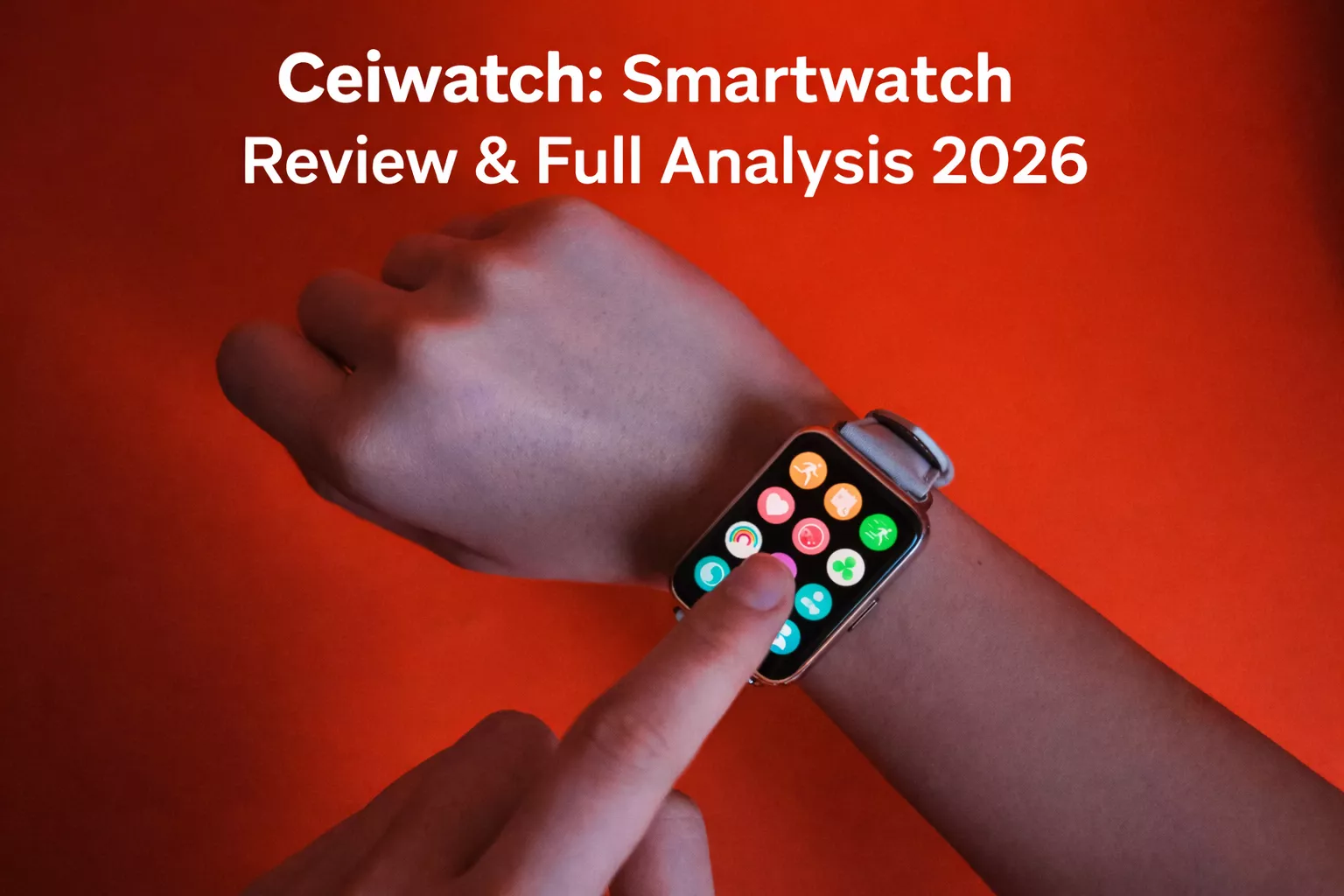
Is Ceiwatch worth it? No, the Ceiwatch is undeniably not worth your hard-earned money. Specifically, consumer tech reports strongly advise against buying this generic device. Furthermore, marketers sell it through aggressive social media campaigns instead of building trust. Consequently, these advertisements boast about premium capabilities like medical-grade health monitoring. However, independent reviewers cannot verify these wildly exaggerated claims. Therefore, you should completely avoid this viral internet gadget. Instead, you can purchase entry-level models from trusted brands like Amazfit or Xiaomi. Ultimately, real brands provide genuine warranties and highly accurate fitness tracking.
The Reality of White-Label Smartwatches
First, we must understand the direct-to-consumer electronics market. Recently, social media feeds have exploded with ads for cheap smartwatches. Specifically, brands like Ceiwatch use a predictable business model called drop-shipping. Moreover, the technology industry also calls this practice white-labeling. Consequently, these marketing companies do not design their own technology.
Instead, they buy generic units from overseas factories in bulk. Next, they pay incredibly low prices for these outdated devices. Afterward, they slap a new branded logo onto the cheap packaging. Finally, they resell them to Western consumers for a massive profit. Therefore, you essentially pay for marketing instead of quality hardware.
Furthermore, the actual product uses bottom-tier internal components. Because they spend their entire budget on flashy advertisements, research and development suffers. Consequently, the Ceiwatch simply joins a long list of viral gadgets making false promises. Ultimately, you must recognize this marketing trap before spending your money.
Examining Hardware and Build Quality
Next, let us carefully examine the physical hardware of the Ceiwatch. Advertisements usually show stunning, computer-generated images of a sleek device. Furthermore, they promise edge-to-edge displays and premium metal casings. However, the physical reality dramatically disappoints most buyers.
Premium brands like Apple and Garmin use aerospace-grade aluminum. Conversely, white-label factories use cheap polycarbonate plastics or coated zinc alloys. Specifically, manufacturers apply a thin, fragile layer of metallic paint. As a result, this finish easily chips and fades when you sweat.
Additionally, the marketing often claims an impressive waterproof rating. Yet, generic brands rarely pay for official water resistance testing. Therefore, taking this watch into a pool will likely destroy it. Ultimately, irreversible water damage happens almost immediately with these cheap devices.
The Truth About Cheap Touchscreens
Moreover, we must discuss the outdated display technology. Modern, expensive smartwatches use brilliant OLED or AMOLED display panels. These screens offer infinite contrast and vibrant, beautiful colors. However, the Ceiwatch likely uses an outdated TFT LCD screen.
First, marketers regularly use a trick called the bezel illusion. They digitally remove the thick black borders from their promotional photos. In reality, the actual screen area remains quite small. Moreover, thick, uneven black borders surround the tiny display. Therefore, the watch looks incredibly cheap in person.
Second, these cheap screens lack adequate backlight brightness. Consequently, you cannot read the watch face in direct sunlight. Furthermore, the internal touch sensors are usually terrible. Therefore, swiping through menus feels laggy and immensely frustrating. Ultimately, the screen quality falls far below modern smartphone standards.
Health and Fitness Tracking Red Flags
Moving on, the health tracking claims represent a massive red flag. Generic smartwatch ads frequently promise advanced medical diagnostics. For example, they claim the watch can monitor blood pressure and blood glucose. However, you should absolutely never trust these dangerous assertions.
Legitimate smartwatches use advanced Photoplethysmography (PPG) optical sensors. First, they flash specific wavelengths of light into your skin. Next, highly calibrated photodiodes measure the reflected light accurately. Finally, established companies spend millions developing algorithms to interpret this complex data.
In contrast, cheap smartwatches use low-grade lights and basic sensors. Because they lack advanced software, they rely on simple guesswork. For instance, the watch might guess your heart rate while you sit still. However, natural movement and sweat quickly ruin the sensor’s accuracy.
The Danger of Fake Blood Pressure Readings
Specifically, we need to address the fraudulent blood pressure claims. Currently, no cheap smartwatch can accurately measure human blood pressure. Legitimate medical devices require an inflating cuff for accurate clinical readings. Therefore, generic watches use a random number generator instead of real sensors.
Consequently, the watch simply displays a normal range like 120/80. It shows this fake number regardless of your actual cardiovascular health. Ultimately, relying on a Ceiwatch for heart monitoring poses a severe health risk. Therefore, you must consult a real doctor for medical data.
Furthermore, these fake metrics give users a false sense of security. People might ignore serious health issues because their cheap watch shows normal numbers. Consequently, this deceptive marketing practice crosses the line from annoying to dangerous. Ultimately, you must prioritize your physical safety over a cheap gadget.
Software and Operating System Realities
Next, let us evaluate the internal software experience. A modern smartwatch relies heavily on its core operating system. Established brands build highly refined ecosystems like watchOS or Wear OS. Furthermore, these robust systems integrate perfectly with your smartphone.
However, the Ceiwatch does not run a recognizable operating system. Instead, it uses a closed, incredibly basic generic firmware. Furthermore, the watch contains very little active operating memory. As a result, screen animations stutter and menus freeze constantly.
Moreover, you cannot download popular third-party apps like Spotify or Strava. Ultimately, you receive a very inflexible software experience. You can only use the pre-installed, poorly designed watch faces. Therefore, the watch functions more like a cheap digital toy than a smart device.
The Privacy Risks of Generic Companion Apps
Furthermore, connecting the watch to your phone introduces significant privacy risks. Usually, you must download a generic companion app from the app store. Popular examples include generic software like Da Fit, FitPro, or HryFine. Unfortunately, developers poorly translate these apps into English.
Additionally, they fill these companion applications with annoying bugs and glitches. More importantly, these apps demand excessive smartphone permissions upon installation. For instance, they request access to your contacts, camera, and GPS location. Consequently, this aggressive data collection raises massive privacy concerns.
Unknown overseas entities usually develop these generic applications. Therefore, nobody guarantees the safety of your personal health data. Furthermore, data brokers might easily purchase your daily location history. Ultimately, protecting your digital privacy remains worth more than saving a few dollars.
Battery Life Realities and Phantom Drain
Additionally, viral marketing ads love to brag about thirty-day battery life. Indeed, simple fitness trackers with dim screens can last for weeks. However, the battery claims for the Ceiwatch remain highly deceptive. You will likely charge this device every single day.
First, the device likely uses a small, low-quality lithium-ion battery. Because the software runs poorly, the watch suffers from massive phantom drain. Consequently, it loses power quickly even while sitting quietly on a desk. Furthermore, cheap batteries degrade at an incredibly alarming rate.
For example, a premium watch battery lasts for several years. Conversely, a generic battery often fails completely within three to six months. Eventually, the watch will not hold a charge for more than an hour. Therefore, you will likely throw the device away very soon.
Current Wearable Technology Market Statistics (2026)
Now, let us examine the broader wearable technology market. Understanding industry trends explains why consumers frequently buy white-label products. Currently, the overall demand for smartwatches remains incredibly high globally. However, expensive flagship devices leave a massive gap for budget shoppers.
According to recent 2026 data from major market research firms:
- First, global smartwatch shipments reached 190 million units annually.
- Second, the sub-$100 value tier represents the fastest-growing sector.
- Specifically, this budget category accounts for 35% of all global shipments.
- Furthermore, 68% of consumers prioritize battery life over third-party apps.
- Shockingly, buyers discard 40% of generic smartwatches within six months.
Consequently, this current data reveals a clear consumer desire for affordable devices. However, the generic market completely fails to deliver sustainable products. Ultimately, this failure creates a massive electronic waste problem worldwide.
Comparison Table: Ceiwatch vs. Established Brands
To clearly illustrate the poor value, let us compare the exact specifications. The following table contrasts the Ceiwatch against three verified budget alternatives. Specifically, we selected watches operating in the exact same affordable price range. Therefore, you can see the massive difference in hardware quality.
| Feature | The Ceiwatch | Amazfit Bip 5 | CMF Watch Pro | Xiaomi Band 8 |
| Price | $40 – $90 | $79.99 | $69.00 | $40.00 |
| Screen | Low-res LCD | High-Res TFT | 60Hz AMOLED | 60Hz AMOLED |
| Health | Fake Sensors | Real PPG Sensor | Real PPG Sensor | Real PPG Sensor |
| App | Generic FitPro | Secure Zepp App | Secure CMF App | Secure Mi App |
| GPS | Phone Only | Built-in System | Built-in System | Phone Only |
| Warranty | None | 1-Year Official | 1-Year Official | 1-Year Official |
Smartwatch Showdown: Why You Should Skip the Ceiwatch (And What to Buy Instead)
It is incredibly tempting to buy a gadget that looks like a premium flagship device but costs a fraction of the price. However, when it comes to generic, white-label smartwatches like the Ceiwatch, that “incredible deal” is usually a trap.
Here is a breakdown of why you should avoid generic smartwatch scams, how to spot them, and which real budget alternatives are actually worth your money.
Legitimate Budget Alternatives That Actually Work
You do not need to spend a fortune to get a high-quality smartwatch. If you are on a budget, stick to established brands that offer real sensors, reliable software, and actual customer support:
- Amazfit Bip 5: Costs the exact same as many generic scams but includes a massive high-resolution screen, genuine health sensors, and a highly secure companion app.
- CMF Watch Pro by Nothing: Built with a premium aluminum frame and built-in GPS for serious runners, making it feel like a true premium device.
- Xiaomi Smart Band 8: The ultra-budget king. For roughly $40, you get a stunning AMOLED screen and a battery that genuinely lasts over two full weeks.
- Certified Refurbished Flagships: Buying a refurbished Apple Watch SE (usually $100–$150) gives you essential safety features like fall detection, seamless smartphone integration, and access to a massive app store.
How to Spot a Smartwatch Scam Online
Dropshippers target impulsive buyers on social media using paid actors and visually stunning video ads. They exploit the desire for cheap luxury items and flood comment sections with purchased reviews. Before you click “buy,” look out for these massive red flags:
- False Scarcity: Ignore aggressive “50% off today only!” banners and fake countdown timers. The discounted price is actually the permanent retail price.
- AI-Generated Reviews: Search for the watch on YouTube. If you only find robotic, AI-generated voices instead of real tech reviewers, the product lacks authenticity.
- Impossible Medical Claims: If a $50 watch promises to measure blood pressure, the company is lying. Biologically, that specific technology simply does not exist in budget wearables yet.
- Ghost Town Customer Support: Check the official website’s contact page. If there is no legitimate physical headquarters, the company will likely ignore your emails and keep your money when the watch breaks.
The Ugly Truth About the Ceiwatch (and Other Generics)
Generic white-label watches fail across the board. Here is exactly what happens when you buy one:
- The “Titanium” Lie: Despite the marketing, these watches use heavy, basic zinc alloy painted to look like titanium. If you drop it on concrete, the screen will easily shatter.
- Fabricated Fitness & Sleep Data: The pedometer cannot distinguish between walking and waving your arms, meaning calorie burns are completely fabricated. It also tracks “sleep” just because you are sitting still watching television.
- Severe Security Risks: Generic companion apps lack basic software encryption. Your unencrypted location and health data travel across unsecured overseas servers, and shady privacy policies often allow developers to sell your information.
- Zero Software Updates: White-label watches never receive software updates. Any software bugs or dangerous security flaws present on day one remain there permanently, rendering the device obsolete almost immediately.
- Constant Disconnects: Faulty Bluetooth connectivity means the watch constantly disconnects from your smartphone. Missing important calls defeats the entire purpose of buying a smartwatch.
- No Personalization: The severely limited companion app offers highly compressed, pixelated watch faces, and you cannot customize the specific data widgets displayed on the screen.
- Environmental Nightmare: These generic electronics actively harm our fragile planet. Because the hardware fails quickly, toxic lithium-ion batteries and cheap plastics end up polluting local landfills. Buying one durable watch is an incredibly eco-friendly decision compared to tossing multiple cheap watches in the garbage over several years.
The Verdict
In conclusion, the Ceiwatch completely fails to justify its retail price tag. It uses highly deceptive marketing, the internal hardware represents the absolute bottom of the barrel, and the completely fake health sensors pose a genuine physical safety risk. The wearable technology market currently offers incredible, affordable alternatives from real brands like Amazfit, Xiaomi, or CMF. Protect your wallet carefully and confidently leave generic internet scams in the trash.


