


Supermaked: The Future of Smart Shopping You Need to Know
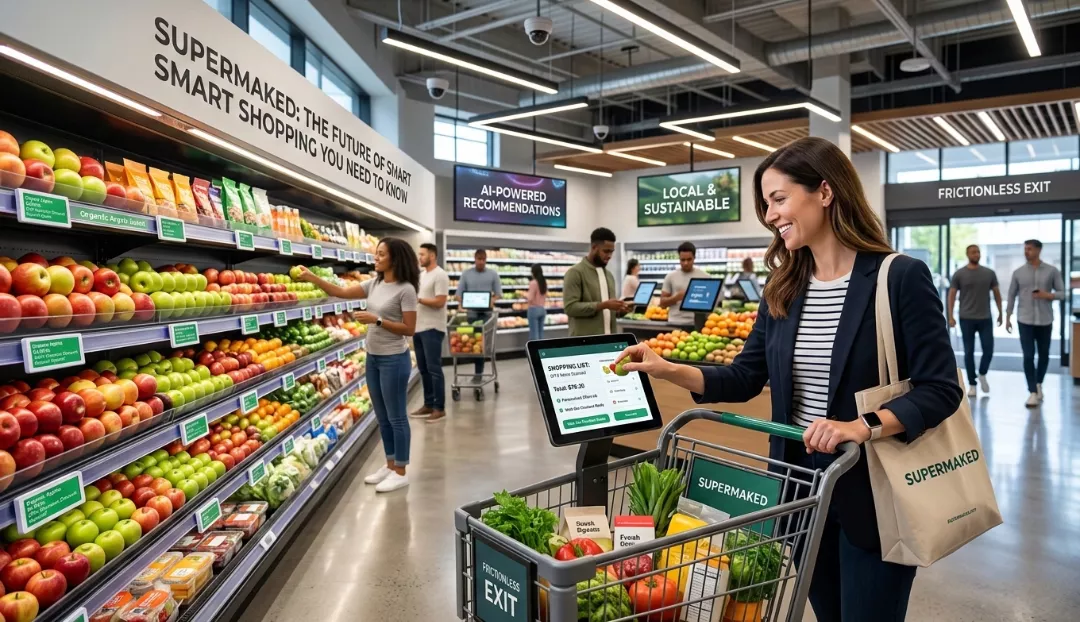
What is a Supermaked? A Supermaked represents a next-generation, hybrid retail ecosystem that seamlessly merges advanced digital intelligence with the physical grocery shopping experience. Specifically, it utilizes Artificial Intelligence (AI), the Internet of Things (IoT), and edge computing to transform traditional stores. Unlike standard supermarkets that focus on high-volume product movement, a Supermaked actively prioritizes a highly personalized, frictionless, and human-centric journey. Furthermore, it anticipates consumer needs using real-time data, eliminates queues through automated contactless checkout systems, and drastically reduces food waste via dynamic inventory tracking. Ultimately, the Supermaked bridges the gap between online e-commerce convenience and brick-and-mortar reliability to create an intelligent, sustainable retail environment.
The Shift: From Traditional Supermarkets to the Smart Hub
To fully understand the rise of the Supermaked, we must examine the rapid shift in modern consumer expectations. Historically, the traditional supermarket model remained incredibly stagnant. Store developers built massive warehouses simply to house maximum inventory. Consequently, they forced consumers to navigate frustrating, labyrinthine aisles.
However, modern shoppers absolutely refuse to tolerate this outdated model. Specifically, they reject:
- Endless Checkout Lines: Waiting in line wastes valuable time and significantly increases shopping anxiety.
- Irrelevant Promotions: Generic weekly flyers completely ignore individual dietary restrictions or personal preferences.
- Frustrating Stockouts: Finding an empty shelf after traveling to the store creates a terrible customer experience.
- Overwhelming Layouts: Stores historically placed essential items at the back to force impulse buys, deliberately manipulating the shopper.
Therefore, innovators created the Supermaked as a direct solution. Retail leaders realized that physical stores must offer a multi-sensory, community-driven experience to compete with instant delivery apps. Today, a Supermaked functions as an intuitive service that actively supports your daily lifestyle.
Core Technologies Powering the Supermaked Revolution
The true magic of the Supermaked lies in its invisible layer of technology. Engineers deliberately designed these systems to remain unobtrusive. As a result, the technology actively enhances your shopping trip without overwhelming you with complicated interfaces or flashing screens.
1. Artificial Intelligence and Predictive Personalization
Ethical AI sits firmly at the center of the Supermaked ecosystem. When you join a Supermaked platform, sophisticated machine learning algorithms get to work.
- Smart Analysis: The AI actively analyzes your past purchases, dietary needs, and typical shopping schedules.
- Hyper-Personalized Recommendations: Instead of generic discounts, you receive highly curated product suggestions tailored strictly to your habits.
- Predictive Cart Generation: Over time, the AI accurately generates a predictive weekly cart. You can simply approve your staple items for rapid in-store pickup, leaving you free to casually browse for fresh produce.
2. IoT Smart Shelves and Dynamic Pricing
The Internet of Things (IoT) completely transforms standard store shelving units. Manufacturers equip these smart shelves with advanced weight sensors and digital edge displays.
- Real-Time Inventory: The shelves constantly monitor stock levels. If a specific organic milk brand runs low, the system automatically triggers a reorder from the distribution center.
- Dynamic Discounts: Digital displays allow store managers to utilize dynamic pricing. For instance, if artisan bread nears its peak freshness window, the shelf automatically applies a 20% discount. Consequently, this instant price drop encourages a quick sale and actively prevents food waste.
3. Computer Vision and Frictionless Checkout
Undoubtedly, the most celebrated feature of the Supermaked is the complete elimination of the checkout line.
- Walk-Out Technology: Stores utilize a powerful combination of computer vision cameras, edge computing, and smart tracking carts.
- Seamless Tracking: The system accurately tracks every item you pick up and place in your bag.
- Automatic Payment: When you finish shopping, you simply walk through a designated exit gate. Subsequently, the system automatically deducts the final total from your securely linked digital wallet.
4. Augmented Reality (AR) in the Aisle
Augmented Reality provides a fascinating new layer of transparency for health-conscious shoppers.
- Interactive Scanning: By pointing a smartphone camera at a product, you can instantly view a detailed AR overlay.
- Nutritional Transparency: This overlay actively displays comprehensive nutritional breakdowns and critical allergen warnings.
- Supply Chain Visibility: Furthermore, the AR tool reveals the exact local farm that sourced the ingredients, empowering you to make highly informed choices.
Key Takeaway: Supermaked technology doesn’t just digitize the store; it completely removes the traditional friction points of grocery shopping to give you back your most valuable asset—your time.
Supermaked vs. Traditional Supermarket: A Clear Comparison

To clearly visualize this massive leap in retail innovation, review the comparative breakdown below. This table highlights exactly how the Supermaked outperforms legacy grocery models.
| Retail Feature / Key Metric | The Traditional Supermarket | The Modern Supermaked |
| Inventory Management | Employees use manual tracking, leading to frequent stockouts. | IoT sensors provide real-time tracking and trigger predictive AI reordering. |
| Checkout Process | Cashiers manually scan items, creating massive bottlenecks. | Frictionless walk-out technology eliminates lines entirely. |
| Store Layout | Rigid aisles force shoppers to browse unnecessary items. | Fluid zones group items logically based on human behavior and recipes. |
| Personalization | Stores distribute generic paper coupons and mass-market loyalty cards. | AI delivers hyper-personalized digital recommendations and predictive carts. |
| Pricing Strategy | Staff update static paper tags weekly or monthly. | Digital displays execute dynamic, demand-based pricing instantly. |
| Food Waste | High levels of waste occur because manual markdowns happen too late. | Automated dynamic discounts actively sell near-expiry goods, keeping waste low. |
The Human-Centric Philosophy: Empathy in Retail Design
While the underlying technology is incredibly impressive, the true genius of the Supermaked stems from its human-centric design philosophy. Developers actively use technology as a tool for empathy, rather than merely a tool for corporate efficiency.
Revolutionizing the Store Layout
Legacy stores deliberately induce a mild state of confusion. They intentionally place staples like milk and eggs at the extreme back of the store. Consequently, you must walk past thousands of unrelated items, which actively increases your likelihood of making impulse buys.
Conversely, the Supermaked entirely rejects this manipulative psychology. Designers create layouts specifically for cognitive ease.
- Lifestyle Grouping: Staff group products by lifestyle and usage rather than rigid manufacturer categories.
- The “Dinner Zone” Concept: For example, you will find pasta, artisanal tomato sauce, fresh basil, and a curated selection of Italian wines grouped perfectly together. Therefore, you save incredible amounts of time by avoiding a frustrating zig-zag path across the store.
Engaging the Senses Positively
Furthermore, a Supermaked actively engages your senses to create a relaxing environment.
- Adaptive Lighting: Stores replace harsh, headache-inducing fluorescent lights with adaptive, warm LED lighting that beautifully mimics natural daylight.
- Acoustic Control: Architectural acoustic designs intentionally minimize the clatter of carts and the annoying hum of industrial refrigerators.
- Ambient Scenting: Store managers use subtle, pleasant scents—such as fresh bakery air or vibrant citrus near the produce section—to create a calming atmosphere.
Ultimately, these sensory adjustments lower shopper cortisol levels. As a result, the Supermaked successfully transforms a mandatory chore into a genuinely pleasant, relaxing outing.
Sustainability: The Green Heart of Smart Shopping
Today, sustainability absolutely cannot function as an optional marketing gimmick; consumers fiercely demand it. Therefore, Supermaked operators deeply intertwine eco-friendly practices into their core business model, leveraging big data to aggressively minimize their environmental footprint.
1. Eradicating Global Food Waste
Food waste remains a trillion-dollar global crisis, and traditional supermarkets contribute massively to this problem. However, Supermaked systems tackle this issue head-on through advanced predictive analytics.
- Accurate Forecasting: By accurately forecasting community demand based on historical data, local events, and even weather patterns, a Supermaked orders exactly what the community needs. This drastically reduces overstocking.
- Automated Donations: When products finally do approach their expiration dates, the system either automatically discounts them or seamlessly funnels them into an automated donation pipeline to support local food banks.
2. Supply Chain Transparency and Local Sourcing
Moreover, Supermaked platforms aggressively prioritize local economies.
- Decentralized Networks: They actively utilize decentralized supply chains and secure blockchain verification tools.
- Supporting Local Farms: Consequently, they source a highly significant percentage of their fresh produce directly from regional farms and independent artisans.
- Reducing Emissions: This strategy guarantees peak freshness for the consumer while drastically cutting down the heavy carbon emissions associated with long-haul freight transport.
3. Promoting Eco-Conscious Packaging
Finally, the modern Supermaked heavily disincentivizes single-use plastics.
- Bulk-Buy Sections: You will discover extensive bulk-buy sections where you can bring your own reusable containers to dispense grains, spices, and even liquid laundry detergent.
- Mandatory Biodegradables: When packaging remains strictly necessary, store policies mandate the use of highly biodegradable or easily recyclable materials.
Recent Statistics Highlighting Smart Retail Adoption
The rapid, widespread adoption of the Supermaked model completely relies on incredibly compelling industry data. As massive retail giants and local cooperatives alike transition to these smart systems, the economic benefits become undeniably clear.
Recent Smart Retail Impact Statistics
| Industry Metric | Statistical Data Insight | Primary Business Impact |
| Customer Retention Rates | +34% increase in stores adopting Supermaked frameworks. | Hyper-personalization successfully builds deeper, long-lasting brand loyalty. |
| Average Checkout Time | 85% reduction in average shopper wait times. | Frictionless technology effectively eliminates queues and massive bottlenecks. |
| Food Waste Reduction | 42% decrease in perishable inventory loss globally. | Predictive AI and dynamic pricing perfectly optimize daily sell-through rates. |
| Consumer Privacy Trust | 78% of users prefer strictly opt-in ethical data models. | Absolute transparency in data usage remains critical for mainstream user adoption. |
| Local Sourcing Revenue | $4.2 Billion actively redirected to local agricultural economies. | Emphasizing community-first supply chains drives sustainable local business growth. |
The Powerful Economic and Community Impact
Beyond the physical walls of the store, the Supermaked actively redefines the critical relationship between retail businesses and their surrounding neighborhoods. Historically, traditional supermarkets extracted wealth from local communities and funneled those profits straight to distant corporate headquarters. Conversely, the Supermaked model strictly aims to function as a supportive community hub.
Empowering Small Local Vendors
By fiercely prioritizing local vendors, a Supermaked acts as a powerful incubator for small businesses.
- Fair Shelf Space: A local hot-sauce maker or a neighborhood baker can easily gain premium shelf space.
- No Predatory Fees: Importantly, they achieve this without paying the predatory slotting fees historically demanded by massive big-box retailers.
Creating Dynamic Community Spaces
Furthermore, architects design the physical space of a Supermaked with deep community engagement in mind.
- Modular Areas: Many locations feature highly modular spaces.
- Day-to-Night Utility: These areas serve as comfortable cafes during the day. Subsequently, they host interactive cooking workshops, nutritional seminars, or vibrant local maker markets in the evening.
Transforming the Retail Workforce
Regarding employment, critics often share a common misconception that smart stores completely eliminate human jobs. While the role of the traditional cashier certainly diminishes, the Supermaked actively creates a brand-new class of engaging retail jobs.
- Customer Ambassadors: Store managers retrain floor staff to become proactive “customer experience ambassadors” and specialized culinary advisors.
- Tech Roles: Behind the scenes, the industry sees a massive surge in demand for local logistics coordinators, skilled data analysts, and robotics maintenance technicians.
Ultimately, retail work becomes significantly less about scanning mindless barcodes and much more about genuine human connection.
Overcoming Challenges: The Road Ahead for Smart Retail
Despite its incredibly compelling advantages, the massive transition to the Supermaked model definitely faces several significant hurdles. Retailers must actively solve these issues to achieve total global integration.
- Ensuring Data Privacy and Security: The entire smart ecosystem relies heavily on consumer data. Tracking what people buy requires an immense amount of public trust. Therefore, Supermaked operators must maintain ironclad cybersecurity measures. They must adhere strictly to transparent, opt-in data policies. If consumers feel corporations are spying on them, the entire model will inevitably collapse.
- Managing High Implementation Costs: Outfitting an older store with IoT shelves, computer vision cameras, and edge servers remains incredibly expensive. While massive retail conglomerates can easily absorb these heavy capital expenditures, smaller independent grocers may struggle to upgrade. Consequently, developers must create scalable, affordable SaaS (Software as a Service) solutions to prevent a widening gap between giant chains and local shops.
- Bridging the Digital Divide: Frictionless checkout completely relies on the assumption that every shopper possesses a smartphone and basic digital literacy. To remain truly ethical, a Supermaked must ensure it remains highly accessible to the elderly, the unbanked, and those who simply prefer not to use advanced technology. Maintaining hybrid payment options remains absolutely vital to prevent social exclusion.
Conclusion
Ultimately, the evolution from a frustrating traditional supermarket to a highly intelligent Supermaked represents much more than a simple technological upgrade; it marks a fundamental paradigm shift in retail philosophy. By harmonizing the staggering efficiency of artificial intelligence with a deep, genuine respect for human psychology and environmental sustainability, the Supermaked completely transforms grocery shopping. It changes a tedious, dreaded chore into a seamless, engaging, and highly personalized experience. As retail technology continues to advance, this intelligent hybrid model will undoubtedly become the permanent global standard. Indeed, the future of commerce strictly belongs to those innovative leaders who prioritize the consumer’s time, personal health, and local community just as much as their corporate bottom line.