


Can New Windows Increase Your Home’s Property Value?
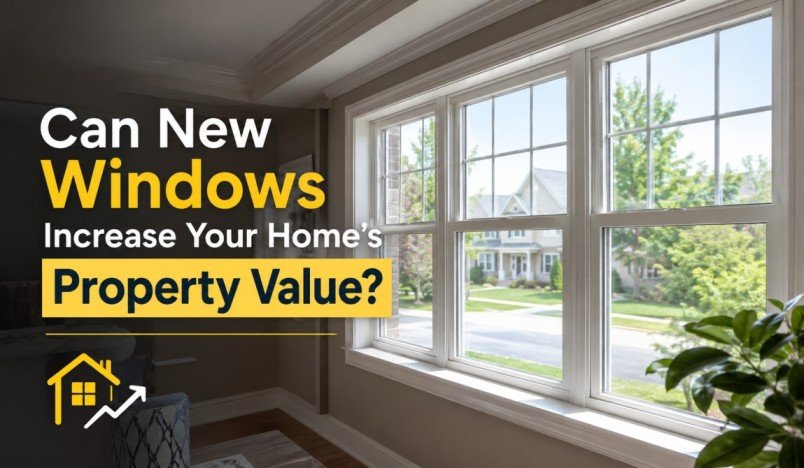
Homeowners tend to obsess over kitchens and bathrooms, so windows quietly become the most overlooked improvement on the list. Yet windows shape almost everything a buyer notices in the first few seconds of a showing. That includes how much light fills a room, how the exterior looks from the curb, and how well cared for the whole property feels. Because of that, they influence buyer decisions more than their modest place in most renovation budgets would suggest.
So, can new windows increase your home’s property value? Yes — new windows typically raise resale value, cut energy bills, and help a home sell faster, though the exact payoff depends on your materials, market, and installation quality. This guide walks through the real numbers behind that answer, plus the specific choices that help you get the most from the investment.
The Short Answer
Here’s the fast version, before we get into the details.
New windows generally increase property value, and buyers notice them quickly during a showing. Because windows affect both looks and performance at once, they carry more influence than many other cosmetic updates.
Curb appeal improves almost immediately after installation. Fresh, clean frames change how a house reads from the street, even before a buyer opens the front door. Meanwhile, energy efficiency has become a real selling point. Double- and triple-pane ENERGY STAR windows give buyers a concrete answer about future utility costs instead of a vague promise.
Homes with updated windows also tend to sell faster. That’s largely because old, failing windows are one of the most common items flagged during a home inspection, and unresolved issues often lead to price negotiations.
Still, the actual return on investment depends on your home’s price point, your local market, and the quality of the windows and installation you choose. A fixed percentage rarely tells the whole story, so treat any number in this article as a general guide rather than a guarantee.
| Benefit | Impact on Value | Buyer Appeal |
|---|---|---|
| Curb appeal | Moderate to high | High |
| Energy efficiency | Moderate | High |
| Faster sale, fewer negotiations | Moderate | High |
| Inspection confidence | Moderate | Moderate to high |
| Direct resale ROI | Roughly 65%–80% of cost recouped | Moderate |
Why Buyers Care About New Windows
Buyers form an opinion about a home before they even reach the front door, and windows play a bigger role in that first impression than most sellers expect. Because they wrap around the entire exterior, windows either reinforce a sense of care or immediately raise questions about maintenance.
Picture a typical showing. A buyer pulls up, notices clean, symmetrical frames and clear glass, and mentally files the home as well maintained before ever stepping inside. On the other hand, cloudy glass or peeling, mismatched frames can create doubt, even when the rest of the house is in great shape.
Beyond first impressions, buyers care about what windows do for daily living. Larger or better-placed glass improves natural lighting, which makes rooms feel bigger and more inviting. Newer materials also mean lower maintenance, since vinyl and fiberglass frames skip the repainting and re-caulking that older wood frames typically need.
Security, comfort, and noise reduction matter too. Modern windows lock more securely than decades-old hardware, and multi-pane glass with intact seals blocks outside noise significantly better — a real advantage for homes near busy streets. Finally, updated windows simply look current. A home with 1990s aluminum sliders can feel dated no matter how updated the kitchen is, while clean, modern frames instantly read as move-in ready.
How Much Value Can New Windows Add?
There’s no single percentage that applies to every home, so it’s worth being skeptical of any company that promises a fixed dollar return. Instead, several factors work together to determine how much value new windows actually add.
Home price sets the ceiling first. A $9,000 window project affects a $250,000 home differently than it affects a $900,000 home, simply because buyers at each price point expect different finishes. Similarly, neighborhood norms matter: if most homes on your block already have updated windows, replacing yours mostly protects your value rather than creating a real competitive edge.
Window quality plays a role as well. Builder-grade vinyl performs and looks different from a premium fiberglass line, and that gap affects how appraisers and buyers perceive the upgrade. The condition of your existing windows shapes the payoff too. Replacing failed, single-pane windows creates a much bigger “before and after” jump than swapping windows that were already in decent shape.
Local climate influences buyer priorities as well. In regions with harsh winters or scorching summers, energy performance becomes a bigger selling point. Efficient glass simply carries more weight there than it would in a mild coastal climate. Finally, installation quality can make or break the entire investment, since even excellent windows can leak and underperform when installed poorly.
| Factor | Why It Matters | Effect on Value |
|---|---|---|
| Home price point | Sets buyer expectations for finishes | Higher-value homes support pricier upgrades |
| Neighborhood standards | Buyers compare homes to nearby listings | Matching or exceeding norms protects value |
| Window quality and brand | Affects appearance and expected lifespan | Premium brands support stronger resale confidence |
| Existing window condition | Determines the size of the improvement | Bigger gap between old and new means bigger perceived value |
| Local climate | Shapes how much buyers value efficiency | Extreme climates reward high-performance glass |
| Energy performance | Directly affects utility bills | Lower bills are a concrete, provable selling point |
| Installation quality | Determines real-world performance | Poor installation can erase efficiency gains entirely |
Window Replacement ROI
National remodeling studies, including the widely referenced Cost vs. Value Report, consistently show window replacement recouping somewhere between 65% and 80% of its installed cost at resale. Vinyl typically lands at the higher end of that range, while wood tends to trail slightly behind. That’s a solid, dependable return, even if it’s lower than the eye-catching figures some window companies advertise.
However, the resale percentage only tells part of the story. Because new windows also lower utility bills right away, homeowners start recovering value the moment installation finishes, not just whenever they eventually sell. Lower maintenance costs add up too, since vinyl and fiberglass skip the repainting and recaulking that wood windows often require.
Here’s a simple example to make the math concrete. Suppose a homeowner replaces 12 aging, single-pane windows with mid-range vinyl, double-pane ENERGY STAR windows at roughly $750 installed per window, for a total project cost of $9,000. At a 70% resale recoup rate, that adds approximately $6,300 back into the home’s value at sale.
Meanwhile, ENERGY STAR estimates that upgrading from single-pane to efficient double-pane glass cuts heating and cooling costs by around 12% a year on average. On a $2,000 annual energy bill, that works out to roughly $240 saved every year. Over a five-year hold before selling, those savings add up to about $1,200. That pushes the total financial benefit to roughly $7,500 against the original $9,000 investment — and that’s before even factoring in a faster sale or a stronger negotiating position.
Naturally, these numbers shift based on your local energy costs, home price, and window choice. Use this example as a framework for your own math, not a guaranteed outcome.
Energy-Efficient Windows Increase Buyer Interest
Energy efficiency has quietly become one of the biggest selling points in real estate, and windows sit right at the center of that conversation. Because windows and doors account for a large share of a home’s heating and cooling loss, upgrading them has an outsized effect on comfort and monthly bills.
Double-pane windows use two layers of glass with a sealed air gap between them, which insulates far better than the single-pane glass found in older homes. Triple-pane windows add a third layer for even more insulation, though they cost more and make the most sense in cold climates or noisy locations.
Low-E, or low-emissivity, glass adds an invisible coating that reflects heat while still letting light through. As a result, rooms stay cooler in summer and warmer in winter without darkening the view. Many manufacturers also fill the gap between panes with argon gas instead of plain air, since argon conducts less heat and quietly improves insulation performance.
On top of that, most energy-efficient windows include UV protection, which helps prevent flooring, furniture, and artwork from fading in direct sunlight. Altogether, these features add up to better insulation and noticeably lower HVAC costs.
For buyers, this isn’t just a nice-to-have anymore. Because utility costs keep rising, energy performance has become a practical concern rather than a bonus feature. A home with certified, efficient windows gives buyers a concrete answer instead of a vague promise about “good insulation.”
Best Types of Windows for Increasing Property Value
Material choice affects cost, appearance, and resale value all at once, so it’s worth understanding the tradeoffs before committing to one option.
Vinyl remains the most popular choice for good reason: it balances affordability, low maintenance, and solid energy efficiency better than almost any other material. As a result, vinyl consistently posts the strongest resale percentage in national cost-value studies, which makes it the default recommendation for most sellers.
Fiberglass costs more upfront, but it lasts longer and holds up better through extreme temperature swings than vinyl does. Because fiberglass expands and contracts at nearly the same rate as glass, its seals tend to last longer too. That’s part of why some manufacturers back it with especially long warranties.
Wood windows offer a warmth and architectural authenticity that vinyl and fiberglass can’t fully replicate, so they remain popular in historic homes and upscale neighborhoods. That said, wood needs ongoing painting and sealing to prevent rot, and its resale percentage typically trails vinyl slightly. Even so, its absolute dollar value can still be significant in the right market.
Composite windows blend materials like wood fiber and polymer to combine wood’s appearance with far less maintenance. They tend to sit in a premium price tier similar to fiberglass, and they appeal to buyers who want durability without the upkeep.
Aluminum windows cost the least and hold up well structurally, but they conduct heat and cold more easily than other materials. Consequently, aluminum tends to underperform in energy-conscious markets, so it isn’t usually the best pick for maximizing resale value, even though it still suits sleek, modern designs.
| Material | Cost | Maintenance | Durability | Energy Efficiency | Resale Value |
|---|---|---|---|---|---|
| Vinyl | Low to mid | Low | 20–40 years | High | Strong — typically the highest ROI |
| Fiberglass | Mid to high | Very low | 30–50 years | Very high | Strong, especially long-term |
| Wood | Mid to high | High | 15–30 years (more with upkeep) | Moderate to high | Good, especially in historic or luxury markets |
| Composite | Mid to high | Low | 30–50 years | High | Good |
| Aluminum | Low | Low | 15–25 years | Low to moderate | Weaker in efficiency-focused markets |
Signs Your Windows Need Replacing
Before deciding whether to replace your windows, it helps to know what’s actually going wrong. A few clear warning signs point to replacement rather than simple wear and tear:
- Drafts. If you feel air moving near a closed window, the seal or frame has likely failed.
- Condensation between panes. Foggy or cloudy glass usually means the seal on a double-pane window has broken, and that’s not repairable, so the whole unit needs replacing.
- Rot or visible frame damage. Soft, discolored, or crumbling wood signals that moisture has gotten into the frame.
- Rising energy bills. If heating and cooling costs keep climbing despite steady usage, poor window insulation is a common culprit.
- Water leaks. Stains on the wall or sill after rain usually point to a failed seal around the window.
- Windows that stick or won’t stay open. Warped frames or worn hardware make windows difficult, and sometimes unsafe, to operate.
- Outside noise creeping in. Thin or failing glass lets in far more sound than modern multi-pane windows do.
Any single issue on its own might not justify full replacement. However, when several of these show up together, it’s usually a sign to budget for new windows rather than another round of patch repairs.
How New Windows Improve Curb Appeal
Curb appeal sells houses before buyers ever step inside, and windows are one of the fastest ways to transform how a home looks from the street. Because they’re spread evenly across the entire facade, even a modest upgrade changes the whole exterior’s rhythm and symmetry.
Modern window designs favor narrower frames and larger glass areas, which let in more light and give a home a cleaner, more open feel. Matching the window style to your home’s architecture matters just as much as picking a trendy design. A traditional colonial with sleek black casement windows can look mismatched, even though those same frames might look perfect on a modern farmhouse.
Speaking of black frames, dark exteriors have become one of the most requested upgrades in recent years. They’ve held their popularity long enough that designers now treat them as a lasting neutral rather than a passing trend. Paired with white or light-colored siding, black frames create sharp, high-contrast definition that also happens to photograph well for listing photos.
Picture a typical before-and-after: a house with yellowed, mismatched vinyl frames from the 1990s gets a full set of crisp white or matte black replacements. Suddenly, the same home looks a decade newer, without touching the roof, siding, or landscaping at all. That’s the kind of visual lift buyers notice immediately, often before they even read the listing description.
Mistakes That Can Reduce ROI
Not every window project pays off, and a few common mistakes can quietly erase the return you were counting on.
Choosing the cheapest windows available is often the biggest one. Bargain-tier vinyl can warp, discolor, or fail within a decade, and appraisers and inspectors notice the difference between builder-grade and quality products. Similarly, DIY installation mistakes, like gaps around the frame or improper flashing, can lead to leaks and drafts that undo the entire point of upgrading.
Picking the wrong window style for your home’s architecture is another costly misstep. A dramatic, oversized picture window might look great on its own, but it can clash badly with a traditional home’s proportions. Ignoring permits causes problems too, since unpermitted work can complicate a future sale or surface during a buyer’s inspection.
Hiring a poor or unlicensed contractor compounds all of these risks at once, because even great windows underperform when installed incorrectly. On the other end of the spectrum, over-customization can backfire too. Unusual shapes, colors, or configurations chosen purely for personal taste can actually hurt resale value if they don’t match what buyers in your market expect.
Finally, mismatched designs across the house, like three different window styles on one facade, read as a patchwork rather than an upgrade. In short, consistency matters just as much as quality.
Should You Replace Windows Before Selling?
Whether replacement makes sense before listing depends heavily on your specific situation, so there’s no universal answer here.
For older homes with original single-pane or clearly failing windows, replacement is usually worth it. Buyers and inspectors flag these issues quickly, and left unresolved, they tend to trigger price negotiations that cost more than the upgrade would have. In these cases, new windows remove a red flag instead of simply adding polish.
Luxury homes are a different story. Buyers in this segment often expect premium materials already, so mismatched or budget windows can undercut a home’s positioning more than they would in a mid-range listing. Here, investing in quality wood or fiberglass windows that match the home’s caliber tends to pay off, even if the percentage ROI looks similar to a cheaper project elsewhere.
Rental properties call for a more conservative approach. Because landlords typically can’t fully capture resale value through rent increases alone, a full upgrade rarely pays off. Instead, it often makes more sense to repair or replace only the windows that are actively failing.
For budget-conscious renovations, partial replacement is a reasonable middle ground. Prioritizing street-facing windows and any units with visible damage delivers much of the curb-appeal and inspection benefit without the cost of replacing every window in the house. In short, match the scope of the project to what your specific market and property actually reward.
Cost vs Value Comparison
To bring everything together, here’s a side-by-side look at how the major window materials compare on cost, performance, and resale potential. Treat these as national averages, then get local quotes to see how they translate to your specific market.
| Window Type | Avg. Installed Cost (per window) | Energy Savings | Lifespan | Maintenance | Estimated Resale Benefit |
|---|---|---|---|---|---|
| Vinyl | $300–$1,000 | ~12% lower heating/cooling costs vs. single-pane | 20–40 years | Minimal | ~65%–80% of cost recouped |
| Fiberglass | $500–$1,500 | High, especially in extreme climates | 30–50 years | Minimal | Strong, particularly over the long term |
| Wood | $600–$2,500+ | Good, with properly maintained seals | 15–30 years (more with upkeep) | High (painting, sealing) | Moderate; higher in historic or luxury markets |
| Composite | $800–$1,800 | High | 30–50 years | Low | Good |
| Aluminum | $200–$800 | Lower than other materials | 15–25 years | Low | Weaker in efficiency-focused markets |
Expert Tips to Maximize Property Value
If you want the strongest possible return, a few practical habits make a real difference.
- Choose ENERGY STAR-rated products. Certification gives buyers and appraisers a recognizable, trusted benchmark instead of just a manufacturer’s marketing claim.
- Hire certified, licensed installers. Proper installation protects both the warranty and the window’s real-world performance, so don’t cut corners here to save a little on labor.
- Match your home’s architectural style. Windows that look like they belong on the house read as intentional, while mismatched styles can look like an afterthought.
- Keep warranties and documentation. Buyers and their agents appreciate a paper trail, and transferable warranties can become a genuine selling point.
- Prioritize front-facing and highly visible windows first if you’re working with a limited budget, since these have the biggest impact on curb appeal and first impressions.
- Replace damaged or failing windows before cosmetic upgrades. A single-pane window with a broken seal does more harm during inspection than an outdated-but-functional window elsewhere in the house.
- Balance cost with expected resale value. A $40,000 custom window package rarely makes sense in a $300,000 neighborhood, no matter how well-built the windows are.
Together, these choices help ensure the money you spend actually shows up in your home’s value later.
Frequently Asked Questions
Do replacement windows really increase home value?
Yes, in most cases. National data consistently shows window replacement recouping a meaningful share of its cost at resale. On top of that, the boost to curb appeal and buyer confidence adds value beyond that percentage alone.
Are expensive windows worth it?
Sometimes, but not always. Premium windows make the most sense in luxury markets or extreme climates, while mid-range ENERGY STAR products typically deliver the best balance of cost and return for most homes.
What type of window has the highest ROI?
Vinyl windows generally post the strongest resale percentage nationally, thanks to their lower upfront cost and solid energy performance. That said, fiberglass and wood can outperform vinyl in specific markets, such as historic neighborhoods or extreme climates.
Should I replace all windows at once?
Not necessarily. If budget is tight, prioritize street-facing windows and any units that are visibly failing first, then phase in the rest over time.
How long do replacement windows last?
It depends on material and quality. Vinyl typically lasts 20 to 40 years, wood lasts 15 to 30 years with regular maintenance, and fiberglass or composite windows can last 30 to 50 years or more.
Are energy-efficient windows worth the investment?
Yes, for most homeowners. Beyond the resale boost, efficient windows lower monthly utility bills and improve comfort, which adds up meaningfully over the years you actually live in the home.
Do buyers notice old windows?
Absolutely. Foggy glass, drafts, and outdated frames are among the first things buyers and home inspectors flag, and they often use these issues to negotiate a lower price.
Which window material lasts the longest?
Fiberglass and composite windows generally last the longest, often 30 to 50 years, because they resist warping and expand at nearly the same rate as the glass they hold.
Can new windows help sell a home faster?
Yes, in many markets. Homes with updated windows tend to show better, raise fewer inspection concerns, and give buyers one less reason to hesitate or negotiate.
Is window replacement tax deductible?
Not currently for most homeowners. The federal Energy Efficient Home Improvement Credit, which once covered up to $600 for qualifying ENERGY STAR windows, expired for installations placed in service after December 31, 2025. As of 2026, no federal tax credit applies to new window purchases, though state, local, or utility rebate programs may still offer savings depending on where you live. For rental or investment properties, owners typically depreciate window costs over time instead of deducting them immediately, so it’s worth checking with a tax professional about your specific situation.
Conclusion
So, can new windows increase your home’s property value? In most cases, yes — though the size of that boost depends on your home, your market, and the quality of the windows and installation you choose. National data points to a resale recoup rate in the 65% to 80% range. And that’s before counting the energy savings, faster sale, and stronger buyer confidence that come along with the upgrade.
The key is matching the investment to your situation. Homeowners with older, failing windows generally see the clearest payoff, since new windows eliminate a common inspection red flag. Meanwhile, sellers in luxury or historic markets may need premium materials to meet buyer expectations. Budget-conscious renovators, on the other hand, can often capture most of the benefit by replacing only the most visible or damaged windows first.
If you’re weighing window replacement against other renovation options, start by getting a few local quotes and comparing them against your home’s price point and neighborhood norms. That way, you’ll know whether new windows are the smartest next move for your goals, or whether your money is better spent elsewhere for now.


