


What Is Lufanest? Modern Comfort Meets Sustainable Design
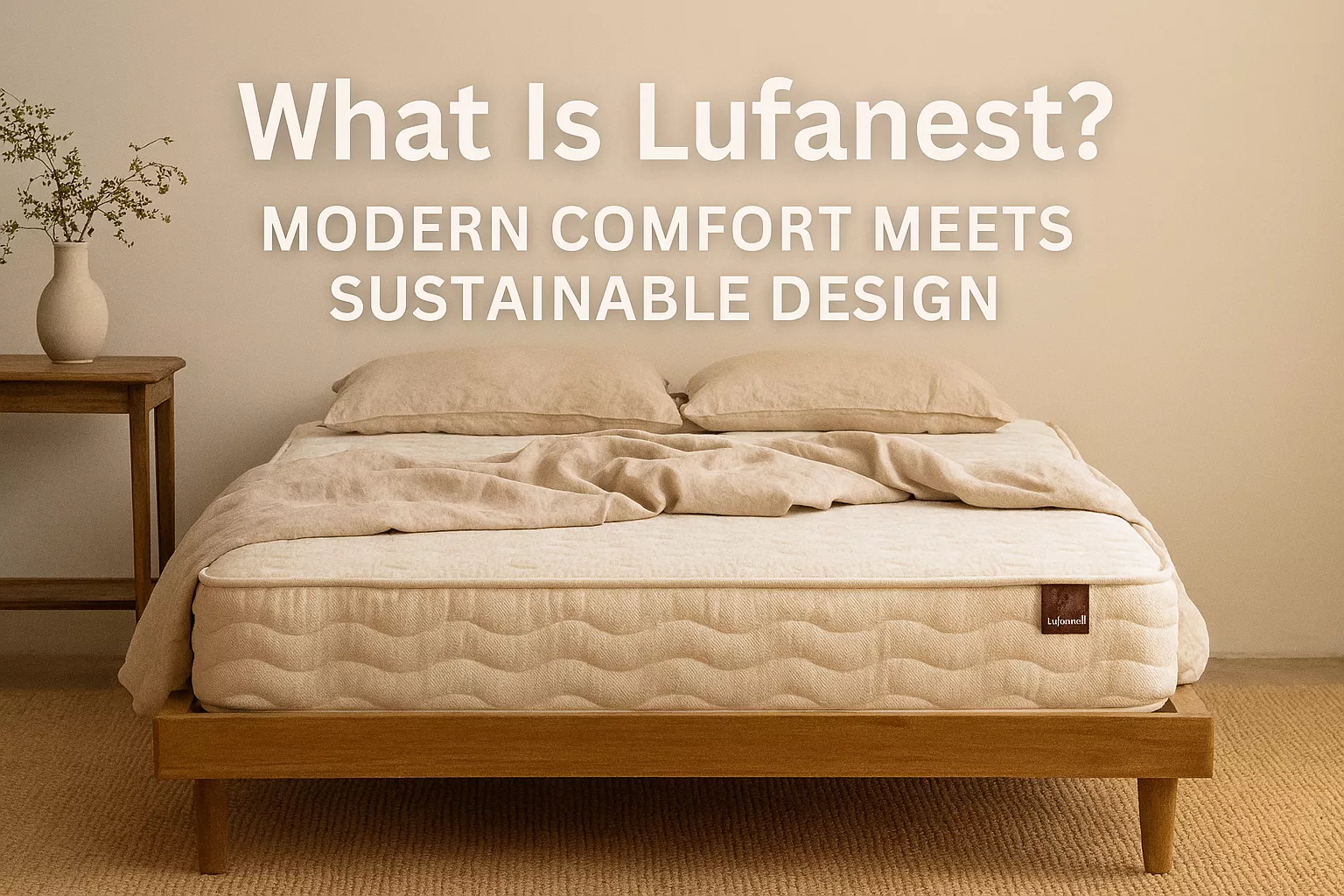
Lufanest is a contemporary design philosophy and lifestyle movement that harmonizes modern convenience with sustainable, nature-centric living. Unlike traditional minimalism, which can sometimes feel cold or stark, Lufanest emphasizes “warm functionality” by integrating organic materials—such as responsibly sourced timber, raw linen, and breathable bamboo—with ergonomic, smart design elements. At its core, Lufanest is about creating a sanctuary that nurtures mental well-being, shifting away from “fast furniture” toward intentional, eco-friendly environments that prioritize deep comfort, emotional balance, and a seamless connection to the natural world.
The Origins of a Quiet Revolution
While the term may sound new to many, the principles of Lufanest have been percolating in the design world for years. It emerged as a direct response to the hustle culture of the early 2020s, where home became both an office and a retreat.
The word itself—often interpreted as a blend of “Luffa” (representing natural, fibrous, organic textures) and “Nest” (symbolizing safety and comfort)—encapsulates the movement’s goal: to build a soft, resilient layer between the inhabitant and the chaotic outside world.
Note: Lufanest isn’t just about how a room looks; it is fundamentally about how a room feels. It asks the question: Does this space recharge you?
The Three Pillars of Lufanest Design
To truly understand this aesthetic, we must look at the three pillars that hold it up. These guidelines help distinguish a true Lufanest space from standard modern interiors.
1. “Bio-Warmth” Materials
Standard modern design often relies on chrome, glass, and polished plastic. Lufanest pivots to materials that retain their natural heat and texture.
- Textiles: Unbleached cottons, chunky wool knits, and raw silk.
- Surfaces: Matte-finish wood (oiled rather than lacquered), cork flooring, and terracotta.
- Accents: Woven sea-grass, jute rugs, and stone décor.
2. Ergonomic Sustainability
Sustainability in the Lufanest philosophy goes beyond just “being green.” It means the furniture must be durable enough to last generations and comfortable enough to use every day.
- Modular Sofas: utilizing recycled foam and washable natural covers.
- Adaptive Lighting: Smart bulbs housed in paper or wood shades that mimic the circadian rhythm of the sun.
- Repairability: Furniture designed to be fixed, not thrown away.
3. The “Breathable” Layout
Clutter is the enemy of Lufanest, but not in the way you might think. It doesn’t demand empty shelves; it demands flow. A Lufanest room maximizes air quality and light circulation. Furniture is often low-profile to allow light to travel freely, and indoor plants are mandatory—not just as decoration, but as functional air purifiers.
How to Bring Lufanest Into Your Home
You don’t need a massive renovation budget to adopt this style. Lufanest is scalable and forgiving. Here is how you can start integrating it into your living space today.
| Element | Traditional Approach | The Lufanest Approach |
| Lighting | Bright, overhead white LEDs | Layered, warm-toned lamps at eye level; smart dimmers |
| Flooring | Wall-to-wall synthetic carpet | Hardwood or cork with layered natural fiber rugs |
| Decor | Mass-produced plastic ornaments | Hand-thrown pottery, driftwood, or functional art |
| Plants | Faux plants or none | Living air-purifying plants (Snake plants, Ferns, Pothos) |
Start with the “Touch Test”
One of the easiest ways to identify Lufanest items is the touch test. If an object feels cold, slick, or artificial, it likely doesn’t fit. If it feels warm, textured, or “grippy,” it belongs.
- Swap out: Polyester throw pillows.
- Bring in: Velvet or heavy linen covers.
Curate, Don’t Accumulate
Lufanest encourages “mindful acquisition.” Before buying a piece of furniture, ask: Is this made of honest materials? Will it age gracefully? An oak table that gets scratched looks better over time (patina); a particle-board table that gets scratched just looks broken. Lufanest champions the former.
The Mental Health Connection
Why is this trend exploding right now? Psychologists and interior designers agree that our environment shapes our internal state.
The “soft geometry” favored by Lufanest—curved sofas, rounded tables, and arched doorways—has been scientifically shown to reduce cortisol (stress) levels. Sharp angles trigger a subtle “caution” response in the brain, while curves signal safety. By combining these shapes with biophilic elements (nature-loving design), a Lufanest home actively lowers your heart rate when you walk through the door.
The Future of Lufanest: Smart Tech Meets Raw Nature
Interestingly, Lufanest is not anti-technology.7 It is pro-invisible technology.
In a Lufanest home, you won’t see a mess of wires or blinking routers.
- Hidden Tech: Wireless chargers built directly into stone side tables.
- Climate Control: Smart thermostats that adjust based on humidity and airflow to protect both the wooden furniture and the residents’ respiratory health.
- Soundscapes: Hidden speakers playing low-level nature sounds (rain, wind, forest ambience) to mask city noise.
This blend of high-tech function and low-tech aesthetic is what makes Lufanest “Modern Comfort.” It accepts that we need technology, but refuses to let it dominate our visual landscape.
Conclusion: A Return to What Matters
Lufanest is more than just a buzzword for 2025; it is a correction. After decades of sterile minimalism and disposable consumerism, we are collectively craving something that feels real. It offers a promise: that we can live in homes that are kind to the planet, kind to our bodies, and deeply soothing to our souls.
Whether you start by simply adding a few textured rugs or completely redesigning your living room with sustainable modular furniture, adopting Lufanest is a step toward a slower, more intentional way of living.
Frequently Asked Questions (FAQs) About Lufanest
1. Is Lufanest just another name for Minimalism?
No, not quite. While both styles dislike clutter, they feel very different. Minimalism often focuses on empty space, clean lines, and can sometimes feel cold or museum-like. Lufanest focuses on warmth. It allows for more texture, softness, and “perfect imperfections” (like a scratched wood table or a rumpled linen bed). Think of Minimalism as “less is more,” and Lufanest as “less is warmer.”
2. Is adopting a Lufanest style expensive?
It can be, but it doesn’t have to be. While high-end Lufanest design often involves investing in solid wood and organic fabrics (which cost more upfront), the philosophy promotes “buying less, but buying better.” However, you can achieve the look on a budget by thrifting vintage wooden furniture, buying second-hand wool or cotton textiles, and using nature (dried flowers, stones, plants) as free decor. It’s about the material quality, not the price tag.
3. I have kids and pets. Is Lufanest practical?
Actually, Lufanest is often more practical for families than standard modern design. Because it embraces natural materials like leather, wool, and solid wood, these items tend to be durable and age well with wear and tear. A scratch on a plastic table looks bad; a scratch on an oiled oak table adds character (patina). Plus, Lufanest encourages washable, removable slipcovers on sofas, making cleanup much easier than fixed upholstery.
4. How does technology fit into a Lufanest home?
Lufanest loves technology, but it treats it like a hidden servant, not a centerpiece. You won’t see a wall of black screens or tangled wires. Instead, you’ll find “invisible tech”—like smart bulbs hidden in paper lampshades that adjust to the time of day, or hidden wireless chargers. The goal is to have the convenience of a smart home without the visual stress of gadgets cluttering your view.
5. Can I apply Lufanest principles if I’m renting?
Absolutely. You don’t need to knock down walls to “Lufanest” your space. Since the style relies heavily on lighting, textiles, and freestanding furniture, it is very renter-friendly. Simply changing harsh overhead lightbulbs to warm-toned smart bulbs, adding a large jute rug to cover generic carpet, and bringing in air-purifying plants can instantly transform a temporary rental into a Lufanest sanctuary.


