


Priority Infrastructure Plan 2026: Blueprint for Growth
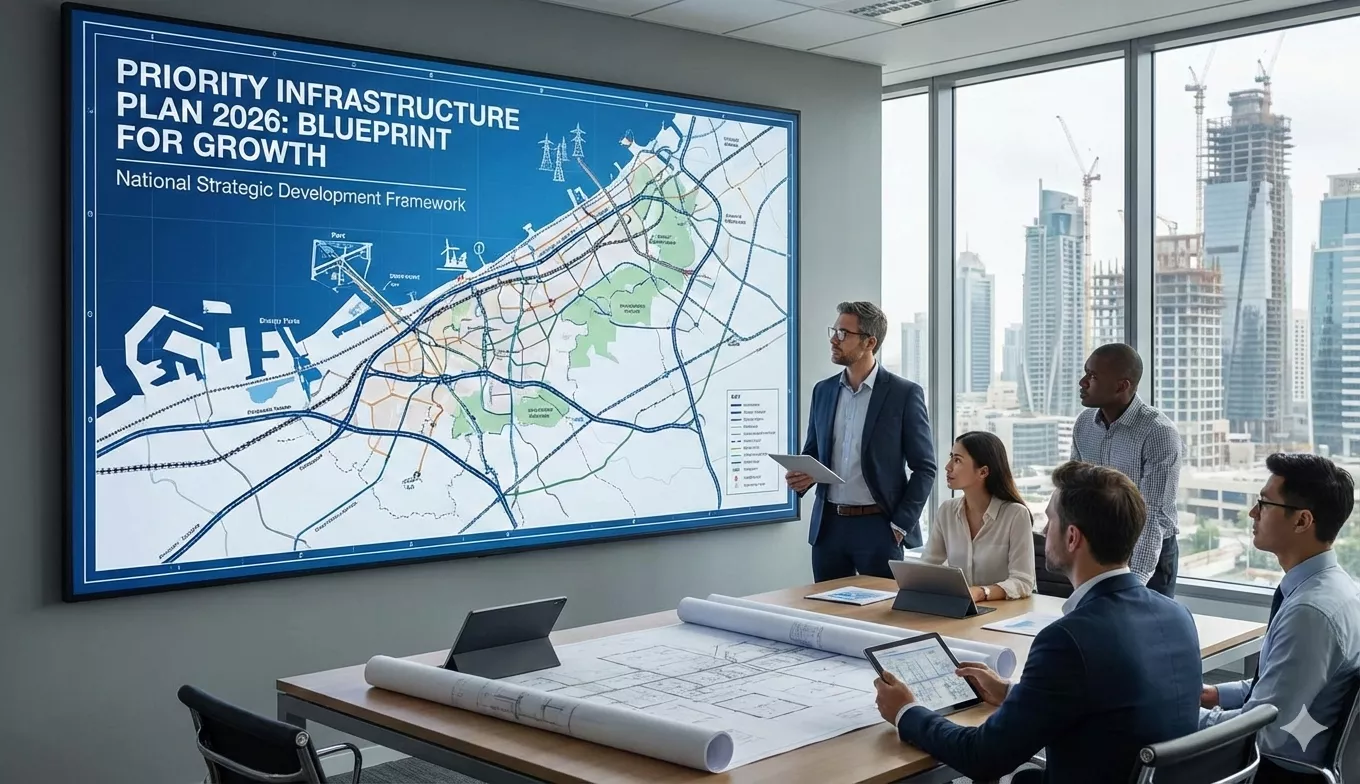
The Priority Infrastructure Plan is a strategic framework that modernizes national productivity through investments in high-speed connectivity, green energy, and AI-driven urban centers. This plan marks a shift from simple repairs to a total reimagining of how a nation functions. By allocating over $1.5 trillion to vital sectors, the PIP 2026 acts as the primary engine for GDP growth and job creation. It prioritizes green hydrogen, multi-modal logistics, and smart “City Economic Regions” to secure a sustainable, net-zero future for all citizens.
The Vision: Why 2026 Marks an Infrastructure Rebirth
For many decades, people viewed infrastructure as a hidden utility. We only noticed it when things broke down. However, that mindset has officially changed in 2026. The Priority Infrastructure Plan 2026 is not just about pouring concrete. Instead, it creates a “living” system that responds to a high-tech society.
Currently, the world stands at a crossroads. Aging systems from the last century struggle to meet modern demands. Meanwhile, AI-driven data needs are exploding. Consequently, 2026 has become the “Year of the Blueprint.” This plan provides a clear roadmap. It ensures that growth remains fast, sustainable, and inclusive.
1. Revolutionizing Transportation: “Zero-Friction” Mobility
The first major pillar of the 2026 Blueprint involves a radical overhaul of transportation. The government wants to lower logistics costs significantly. In the past, these costs reached 14% of GDP. Now, the goal is a lean 8%.
High-Speed Rail Corridors
Engineers are now launching seven new high-speed rail corridors. These tracks act as the circulatory system for the entire economy. Furthermore, they serve as “economic bridges.” They connect smaller towns to major metropolitan hubs. For instance, a six-hour commute now takes only ninety minutes. This change does more than save time. It also expands the labor market. Additionally, it opens up affordable housing options in satellite cities.
The Blue Revolution: Inland Waterways
Inland waterways are another vital part of the PIP 2026. Previously, many experts underrated this sector. Now, twenty new National Waterways are operational. Freight is moving away from crowded roads. Instead, cargo travels on cost-effective river routes. This shift reduces carbon emissions by 30% per ton. Therefore, it stands as a cornerstone of the 2026 green growth strategy.
2. Energy Independence: Grid 2.0 and Green Hydrogen
In 2026, energy is about more than just keeping the lights on. It focuses on power quality and security. The PIP 2026 allocates massive capital to modernize the grid. This ensures that wind and solar power stay stable and reliable.
Scaling Renewable Capacity
The blueprint targets 500 GW of renewable capacity by 2030. 2026 is the peak year for these installations.
- Battery Storage: Factories are building lithium-ion and solid-state batteries at record speeds.
- Nuclear Energy: Small Modular Reactors (SMRs) are finally moving into the field. These reactors provide clean, steady power. They complement solar and wind energy perfectly.
The Green Hydrogen Mission
Moreover, 2026 marks the start of “Green Hydrogen Hubs.” These clusters combine renewable energy with industrial production. The plan also creates a refueling network for heavy trucking. As a result, the PIP 2026 tackles sectors that electricity alone cannot reach.
3. Digital Spine: AI and the “Internet of Places”
We have moved past the basic “Internet of Things.” We have now entered the era of the “Internet of Places.” Under the 2026 plan, our infrastructure is becoming smart and sentient.
Data Centers as Essential Utilities
Data centers are now essential infrastructure. They receive the same policy support as traditional power plants. AI demand has surged by over 200% since 2024. Consequently, the blueprint focuses on AI-Ready Data Parks. These parks use 100% renewable energy. They also feature advanced liquid-cooling systems to save water.
Digital Twins for Better Maintenance
Every major project now has a Digital Twin. This is a virtual replica of a physical structure. It allows engineers to simulate stress and predict repairs. For example, sensors can find a crack in a bridge before it becomes a danger. This proactive approach ensures that our systems remain safe and efficient for decades.
4. Urban Evolution: City Economic Regions (CER)
The old model focused only on five or six “mega-cities.” However, that model is now dead. The PIP 2026 introduces City Economic Regions (CERs). This plan treats a city as the heart of a large economic circle.
Boosting Smaller Cities
The 2026 blueprint gives specific funds to mid-sized cities. These cities usually have populations above 500,000. Key upgrades include:
- Industrial Parks: These parks offer high-speed fiber and reliable power immediately.
- Clean Water: The plan ensures that every household has a metered water connection.
- Transit Growth: Developers are building homes and offices near train stations. This reduces the need for cars and cuts down on traffic.
5. Financing the Future: New Economic Models
How do we pay for these massive projects? Governments realized they cannot work alone. Therefore, they are using new financial tools to attract investors.
Reducing Risk for Investors
The government created the Infrastructure Risk Guarantee Fund (IRGF). This fund provides a safety net for private companies. It covers risks during the difficult construction phase. Once a project starts making money, private investors take over. This “bridge” has unlocked billions in private capital.
Recycling Capital
The plan also uses Asset Monetization. This means the government sells the rights to finished roads or bridges. Then, it uses that cash to build something new. This model allows the government to build more without increasing national debt.
| Funding Source | 2024 Contribution | 2026 Target |
| Public Spending | 65% | 50% |
| Private Partnerships | 20% | 35% |
| Asset Recycling | 15% | 15% |
6. Social Infrastructure: The Human Element
The PIP 2026 is about more than just steel. It also focuses on the people who use these systems. We call this “soft” infrastructure.
Modern Healthcare Hubs
Authorities are building five new Regional Medical Hubs. These hubs bring specialized care to more people. They use “Tele-Health Corridors” to reach rural clinics. Consequently, a patient in a small village can talk to a top specialist instantly. This levels the playing field for everyone.
Skills for Green Jobs
The blueprint also invests in people. We are not just building solar farms. We are also training 1.2 million “Green Technicians.” These workers will maintain the new energy systems. Vocational centers are opening inside new industrial zones. This ensures that local residents get the best jobs first.
7. Climate Resilience: Building to Last
In 2026, we do not build for “normal” weather anymore. We build for extreme conditions. This is the “new normal.”
- Flood Protection: AI now manages city drainage systems. These systems use “Sponge City” designs to absorb heavy rain.
- Heat Resistance: Engineers use new materials for roads. These materials do not melt during extreme summer heatwaves.
- Circular Building: All government projects must use 20% recycled materials. This includes plastic waste and industrial ash.
8. Global Competitiveness and Trade
The PIP 2026 makes the nation a global leader in trade. By improving ports and airports, we speed up exports. Digital customs systems now process paperwork in minutes. Previously, this took days.
Furthermore, the plan integrates with international trade routes. This makes the country a preferred partner for global manufacturing. Companies are moving their factories here because the infrastructure is reliable. Consequently, the “Blueprint for Growth” creates a cycle of endless opportunity.
9. Security and Safety Protocols
Modern infrastructure must be secure from physical and digital threats. The 2026 plan includes a National Cyber-Shield. This shield protects power grids and water systems from hackers.
Additionally, physical security has improved. Drones monitor long pipelines and remote rail tracks. They detect problems instantly. This technology keeps the public safe while reducing the cost of manual patrols.
10. The Path Forward: 2027 and Beyond
The year 2026 is just the beginning. The Priority Infrastructure Plan sets the stage for a decade of prosperity. We are seeing the results already. Commutes are shorter. Energy is cleaner. The economy is stronger.
However, we must maintain this momentum. The blueprint requires constant updates as technology evolves. We are committed to this journey. We are building a world that works for everyone.
Conclusion: A Future Built on Solid Ground
The Priority Infrastructure Plan 2026: Blueprint for Growth is a bold declaration. It shows that we are ready for the future. We have moved past old limitations. Now, we embrace a world where technology and sustainability meet.
By investing today, we solve the problems of tomorrow. We are ending traffic jams and power shortages. Most importantly, we are building a foundation for our children. This is the blueprint for a better world. It is powered by clean energy and connected by smart networks. It is a plan driven by a commitment to human progress.
Frequently Asked Questions (FAQs)
1. How does the PIP 2026 differ from previous infrastructure budgets?
In the past, infrastructure spending usually focused on “patch-and-repair” maintenance. However, the PIP 2026 is a “reimagine-and-build” strategy. It prioritizes digital integration, AI-driven maintenance, and green energy over traditional coal-heavy projects. Furthermore, it treats digital connectivity and data centers as essential utilities, just like water and electricity.
2. Is the $1.5 trillion investment going to increase national debt?
Actually, the plan uses a “capital recycling” model to keep debt low. The government utilizes Asset Monetization, which involves leasing out completed projects to private investors. They then use that immediate cash to fund new construction. Additionally, the Infrastructure Risk Guarantee Fund attracts private capital, shifting the financial burden away from the taxpayer.
3. How will the plan create new jobs for the workforce?
The blueprint is expected to create over 10 million jobs by 2027. These are not just construction roles. Because the plan focuses on high-tech systems, it creates a massive demand for “Green Technicians,” AI data analysts, and smart-grid engineers. The plan also includes vocational training centers to help workers transition into these high-paying “future-proof” careers.
4. What are “City Economic Regions,” and why are they important?
A City Economic Region (CER) treats a city and its surrounding 50-mile radius as a single economic unit. Previously, development was concentrated only in “mega-city” centers. Now, the PIP 2026 builds high-speed links to satellite towns. This allows people to live in more affordable areas while still accessing high-quality urban jobs. Consequently, it reduces overcrowding and lowers the cost of living.
5. Will the Priority Infrastructure Plan 2026 help lower my monthly bills?
Yes, in several ways. First, the shift to high-scale renewable energy and “Grid 2.0” aims to lower the cost of electricity production. Second, by reducing logistics costs from 14% to 8%, the price of everyday goods—from groceries to electronics—will likely decrease. Finally, better public transit options mean you can spend less on fuel and car maintenance.


